Curiosity Killed the Cat
…But Satisfaction Brought It Back
-
The 40-year history of the mobile cell phone, starting with the DynaTAC in 1974 and ending with a side-by-side comparison between the iPhone 5s and the Galaxy Note.
-
Does human performance follow the bell curve? Research says no.
-
If you look through your glasses, binoculars or a window, you see the world on the other side. How is it that something so solid can be so invisible? Mark Miodownik melts the scientific secret behind amorphous solids.
-
A small educational cartoon about how trees survives the winter. Great explanation!
-
The World in 2030: How Science will Affect Computers, Medicine, Jobs, Our Lifestyles and the Wealth of our Nations
-
Daniel Kahneman changed the way we think about thinking. But what do other thinkers think of him?
-
It begins with a growl. Then there's a crack — a slurpy, sucky, crunchy noise.
-
Wanna Create A Great Invention? Creating something innovative is a risky undertaking. To do it, you have to crash often before you are able to fly.
-
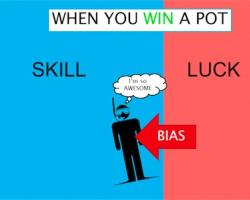
Self-serving bias - Biased attribution on success and failure to preserve self-esteem.
-
Everybody dies. The universe too? Well, probably. What are the current theories about the end of everything?
-
Stanford Professor Robert Sapolsky, posits that depression is the most damaging disease that you can experience.
-
A creative study exploring how a six-week practice of loving-kindness meditation can reduce stigmatizing and discriminatory attitudes towards homeless people.
-
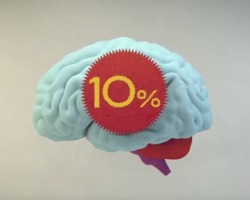
Two thirds of the population believes a myth that has been propagated for over a century: that we use only 10% of our brains. Lesson by Richard E. Cytowic, animation by TOGETHER.
-
A "perfect storm" is an expression that describes an event where a rare combination of circumstances will aggravate a situation drastically.
Sider